The World as It Is, The World as It Could Be
Every week, the headlines deliver another crisis, another injustice, another system failing the people it was meant to serve. But beneath the noise lies a pattern - and an opportunity.
This section cuts through the cycle of reaction to examine current events through a Modern Mutualist lens: How did we get here? Who holds power, and who bears the risk? Where do markets serve communities, and where do they extract from them?
We don’t stop at critique. Each reflection maps a path forward rooted in mutual aid, cooperative ownership, and the radical ideas that freedom and solidarity aren’t opposites - they’re prerequisites.
The analysis runs deep. The vision runs deeper.
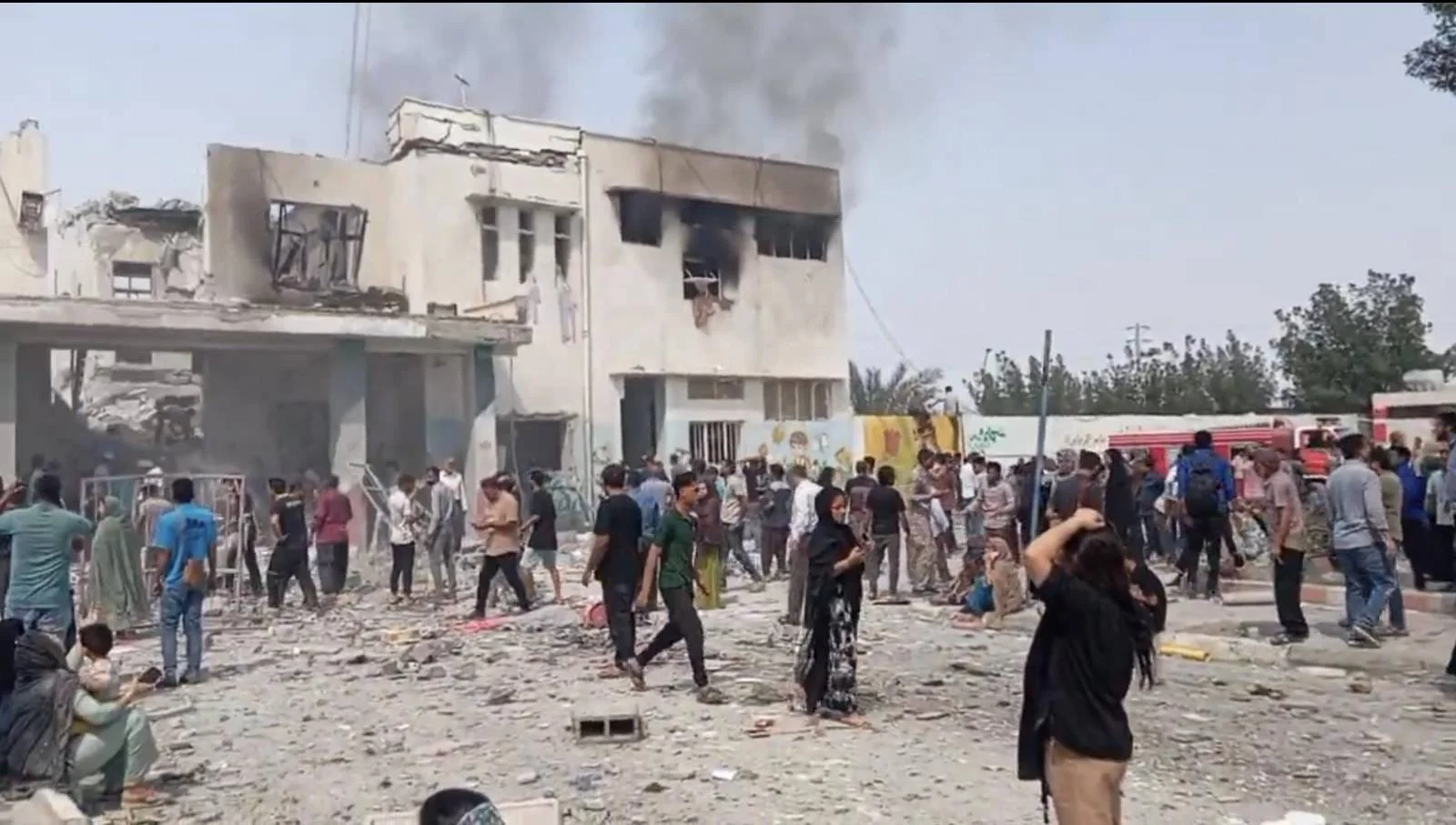
A Broken Harp in Minab and the Algorithmic Murder of Spring
There is a specific kind of silence that follows a falling bomb. It is not the absence of sound, but the violent suffocation of it. Before the dust settles, before the azhir-e ghermez (red sirens) begin their mechanical wailing, there is a vacuum where a world used to be.
Bring yourself to the Shajareh Tayyebeh girls' elementary school in Minab, just moments before the ceiling collapsed. Feel the coastal heat of Hormozgan province waiting outside the windows. Smell the chalk dust and the pressed cotton of school uniforms. Listen to the murmur of more than a hundred young voices, 108 of them, at least, stumbling through multiplication tables, or perhaps reciting the ancient, rhythmic cadences of Farsi poetry. They were learning the words of their ancestors, words that for centuries have spoken of the bagh (garden) and the bahar (spring).
And then, an algorithm made a decision.