The World as It Is, The World as It Could Be
Every week, the headlines deliver another crisis, another injustice, another system failing the people it was meant to serve. But beneath the noise lies a pattern - and an opportunity.
This section cuts through the cycle of reaction to examine current events through a Modern Mutualist lens: How did we get here? Who holds power, and who bears the risk? Where do markets serve communities, and where do they extract from them?
We don’t stop at critique. Each reflection maps a path forward rooted in mutual aid, cooperative ownership, and the radical ideas that freedom and solidarity aren’t opposites - they’re prerequisites.
The analysis runs deep. The vision runs deeper.

The Hyperion Bet: Meta's $27 Billion Gamble on Rural Louisiana - and the Tensions It Risks Igniting
March 27, 2026 should be remembered as the day the AI infrastructure boom revealed its true cost. That afternoon, Meta and Entergy Louisiana announced a staggering expansion of the Hyperion data center: from an already-massive 5 gigawatts to 7.5 gigawatts of power capacity, requiring 10 natural gas plants and increasing Louisiana's entire grid capacity by over 30%.
The numbers are so large they become abstract. Seven-point-five gigawatts is more electricity than the entire state of South Dakota consumes. The carbon footprint - 12.4 million metric tons of CO₂ annually by one calculation - exceeds Meta's entire global emissions from 2024 by 50%. But the story that should alarm policymakers isn't just climate math. It's what happens when you combine this scale of industrial intrusion with economic precarity, regulatory exclusion, and a population that feels betrayed by the institutions meant to protect them.

THE EFFICIENCY TRAP: HOW WALL STREET LEARNED TO LOVE LAYOFFS
There was a time when mass layoffs signaled corporate distress. Today, they trigger celebration.
On March 31, 2026, Oracle announced it was eliminating approximately 30,000 positions - roughly 10% of its global workforce. The stock market responded by sending Oracle shares up 5.99% in a single trading session, adding $28 billion to the company's market capitalization. Larry Ellison personally gained an estimated $9.6 billion that same day.
Between January 2025 and March 2026, major technology companies announced over 80,000 job eliminations. In two-thirds of these cases, stock prices rose. The markets have developed a perverse reflex: they reward human displacement with capital appreciation.
But behind these numbers are real families and real economic costs that stock markets do not - and cannot - price.
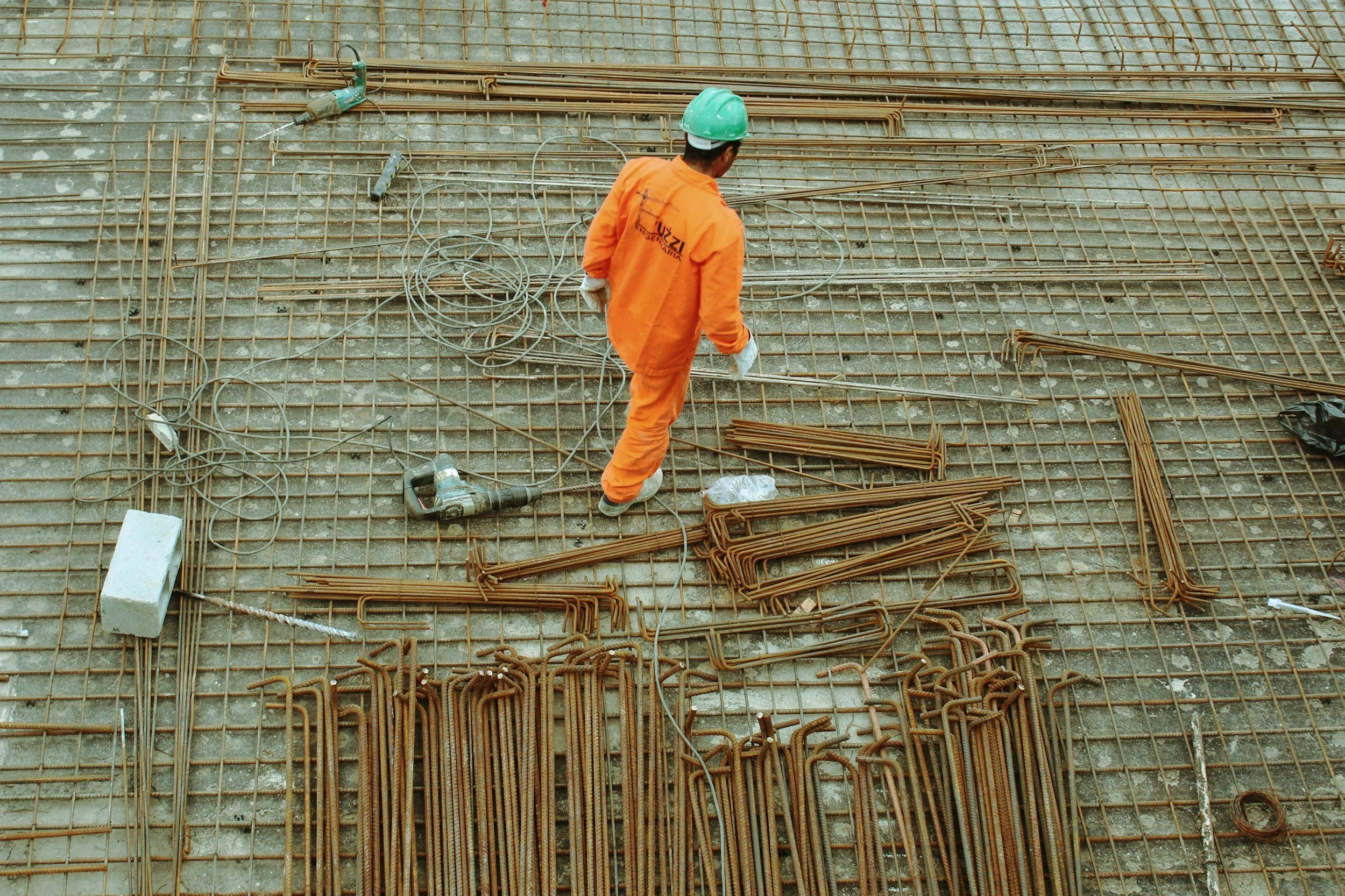
The Trade Trap: Why the Push to Blue-Collar Work Is a Setup for the Next Wave of Displacement
We've seen this movie before.
For decades, the middle-class compact went like this: Borrow heavily, get the degree, secure professional employment. Families mortgaged homes and students accumulated $1.7 trillion in federal loan debt chasing this promise. The result? Massive credential inflation. By 2017, over 36% of U.S. workers held degrees beyond what their positions required - up from 29% in 2003. More than 43% of college graduates now start their careers underemployed, and two-thirds of those remain stuck a decade later.
The automation of white-collar work accelerated the collapse. Entry-level coding, paralegal research, financial analysis, and even junior engineering roles face AI displacement. Computer science graduates - previously considered automation-proof - now face unemployment rates of 6-7%, matching non-graduates.
The response from the billionaire class? Pivot to trades. Skip the debt. Learn a skill. Build data centers. Repair homes. Enter the "skilled trades" where workers are allegedly irreplaceable.
This advice is not neutral. It is the opening act of a familiar play.

The True Cost of Cloud Computing: How Data Centers Are Devouring Communities, Health, and Ecosystems
The digital infrastructure powering our AI revolution is built on a foundation of environmental extraction and human sacrifice - and the bill is coming due in America's rural and suburban communities.
We rarely think about the physical reality behind a ChatGPT query or a Netflix stream. These experiences feel weightless, existing somewhere in the "cloud" - a term that deliberately obscures the massive industrial infrastructure required to sustain them. But that cloud has a terrestrial footprint, and it's expanding at a pace that is systematically dismantling communities, degrading human health, and collapsing ecosystems across rural and suburban America.
The data center buildout - fueled by artificial intelligence, cryptocurrency mining, and our insatiable demand for digital services - represents one of the fastest-growing industrial expansions in modern history. Yet unlike previous industrial revolutions, this one is occurring with minimal public scrutiny, enabled by zoning classifications that treat server farms as commercial real estate rather than the resource-intensive industrial facilities they actually are. The consequences are devastating, concentrated in communities least equipped to resist them, and creating a doom loop of wealth extraction that threatens to permanently bifurcate American society.
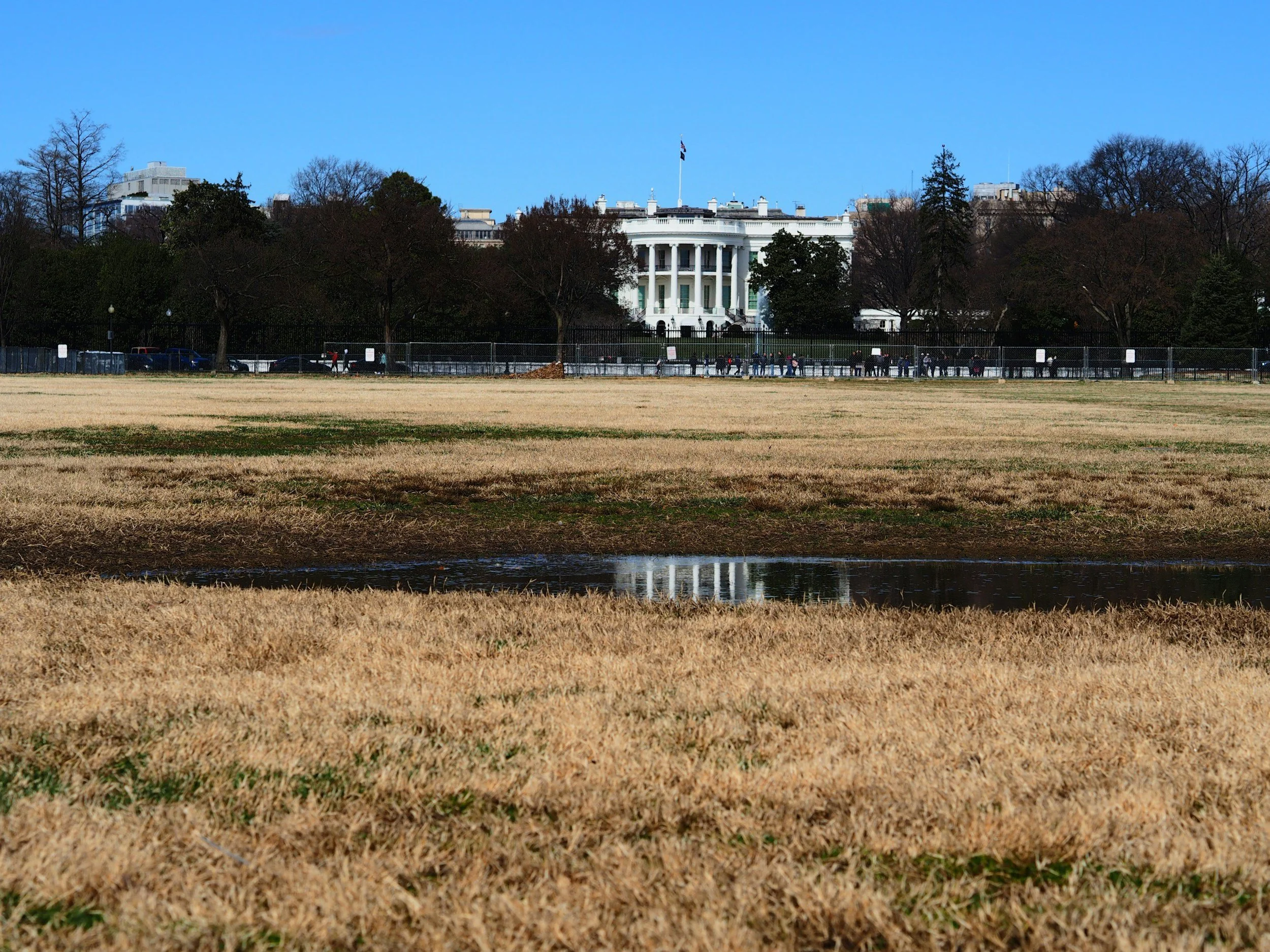
The Capitalist Cloud: How the Federal AI Framework Outlaws Community Autonomy
If you want to see the endgame of extractive capitalism, look no further than Washington's new "National Policy Framework for Artificial Intelligence," released on March 20, 2026.
Packaged in the glossy rhetoric of "innovation" and "global dominance," this document is a meticulously drafted surrender to the tech monopolies. It is designed to accomplish one primary goal: strip power from local communities and states, centralizing total control of the most transformative technology of our lifetime into the hands of a few corporate "cloud lords." The numbers tell the story: Amazon Web Services, Microsoft Azure, and Google Cloud already control 63-71% of the global cloud infrastructure market, with AWS alone commanding 28-30%. This framework ensures their grip tightens.
For anyone committed to cooperative economics and community empowerment, this framework is a declaration of war on local autonomy.

The Extraction Generation: Why Gen Z Women Must Build Modern Mutualism or Perish
You were promised that college was the ticket. You were told that hard work built wealth. You were assured that innovation would lift all boats.
They lied.
And if you're a woman - especially a woman of color, a mother, a caregiver, a gig worker - the lies were compounded by an economic system that has always treated your labor as invisible, your contribution as unskilled, your body as infrastructure to be used.
Look at the numbers. Recent college graduates now face a 5.8% unemployment rate - the exact same as Americans who never finished high school . But here's what the aggregate data hides: women's unemployment is rising faster than men's, and the jobs that remain are increasingly concentrated in low-wage, precarious sectors. The wage premium for your degree still exists, but the job security premium has evaporated. In 2010, a college degree meant half the unemployment risk of a high school diploma. Today? That gap has collapsed to nearly nothing . You are the most educated generation of women in human history, and you are competing for barista positions with algorithms and retirees.
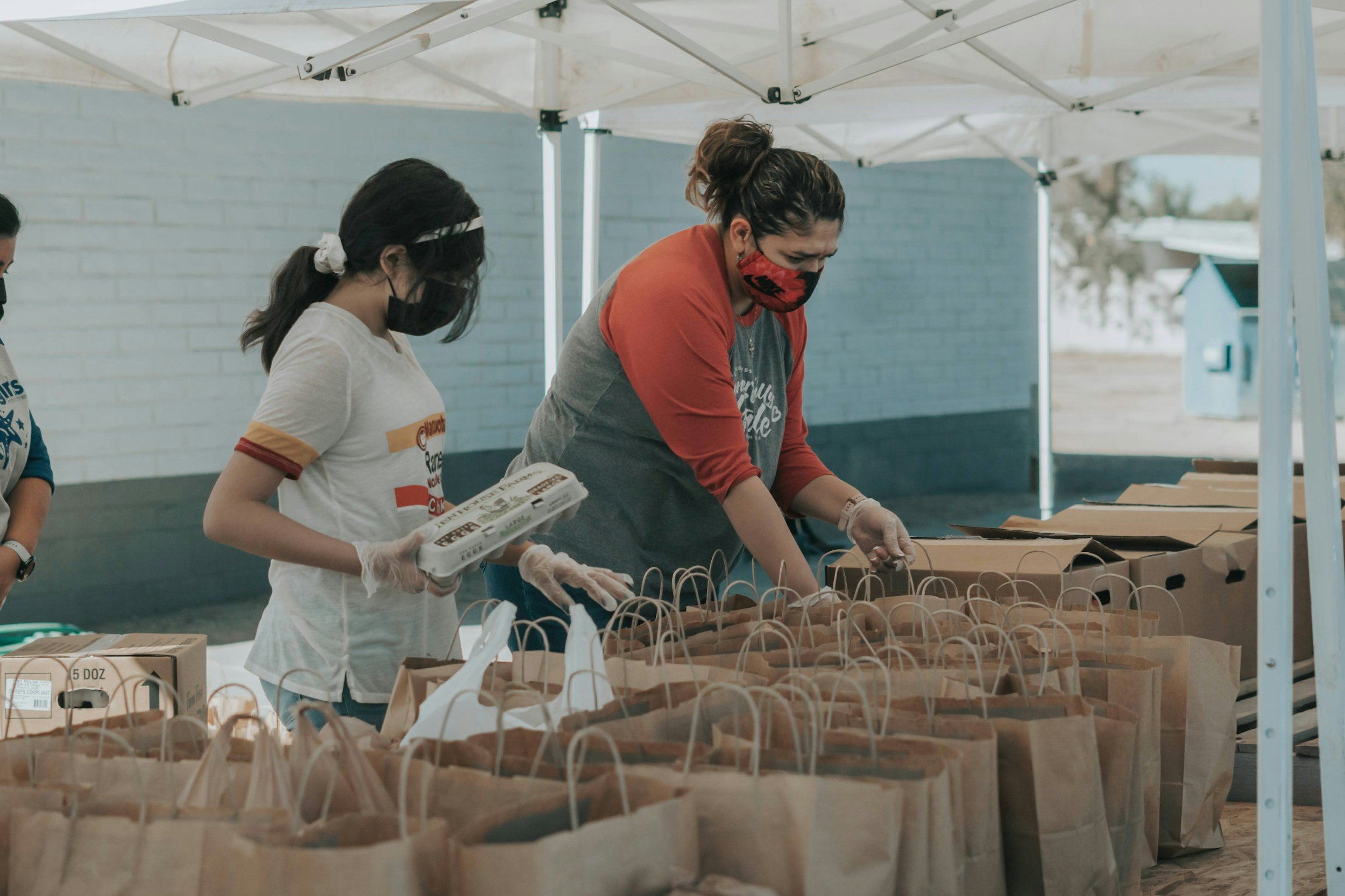
You're Already Doing the Work - Here's How to Make It Actually Count
Hey. Can we talk for a second?
If you drove past three chain grocery stores to buy bread from that little bakery on Main Street because you want your sales tax to actually fund the park where your kids play - you're not just being nice. You're being strategic.
If you spent your Saturday working a PTA bake sale so the school can afford art supplies that the district somehow can't pay for - you're not just helping out. You're investing.
If you pay extra at the farmers market because you'd rather your money stay with the family growing your food than vanish into some supply chain you'll never see - you're not just shopping. You're building something.
And if you're a teacher who just spent eight hours in the classroom, then drove to your second job, then worried about whether your food would last until payday - you're not just "dedicated." You're being extracted.
Here's the thing nobody tells you: there's a word for what you're doing. It's called mutualism. And you're already really good at it.

Modern Mutualism: An Ownership Alternative to Extraction Capitalism
In February 2026, the United States and Israel launched military strikes against Iran. Within weeks, the Strait of Hormuz - through which 20% of global oil flows - was effectively closed. Diesel refining margins hit $49 per barrel. China's fuel exports stopped. And a predictable machine activated: traders stored oil offshore and sold futures at premiums; refiners captured scarcity rents; defense contractors booked multi-year replenishment contracts; sovereign wealth funds positioned to acquire distressed assets.
But beneath these headlines, women paid first and most.
When fuel prices spike, women in developing economies are the first to exit the labor force - unable to afford transport to work. When food prices rise, mothers reduce their own nutrition to feed children. When healthcare systems face private equity roll-ups, women - who comprise 70% of global health workers yet hold less than 25% of leadership roles - face wage compression while patient care deteriorates.
This was not market failure. This was capitalism functioning as designed - a system optimized for extraction, concentration, and crisis profiteering, with women and girls as its invisible subsidy.
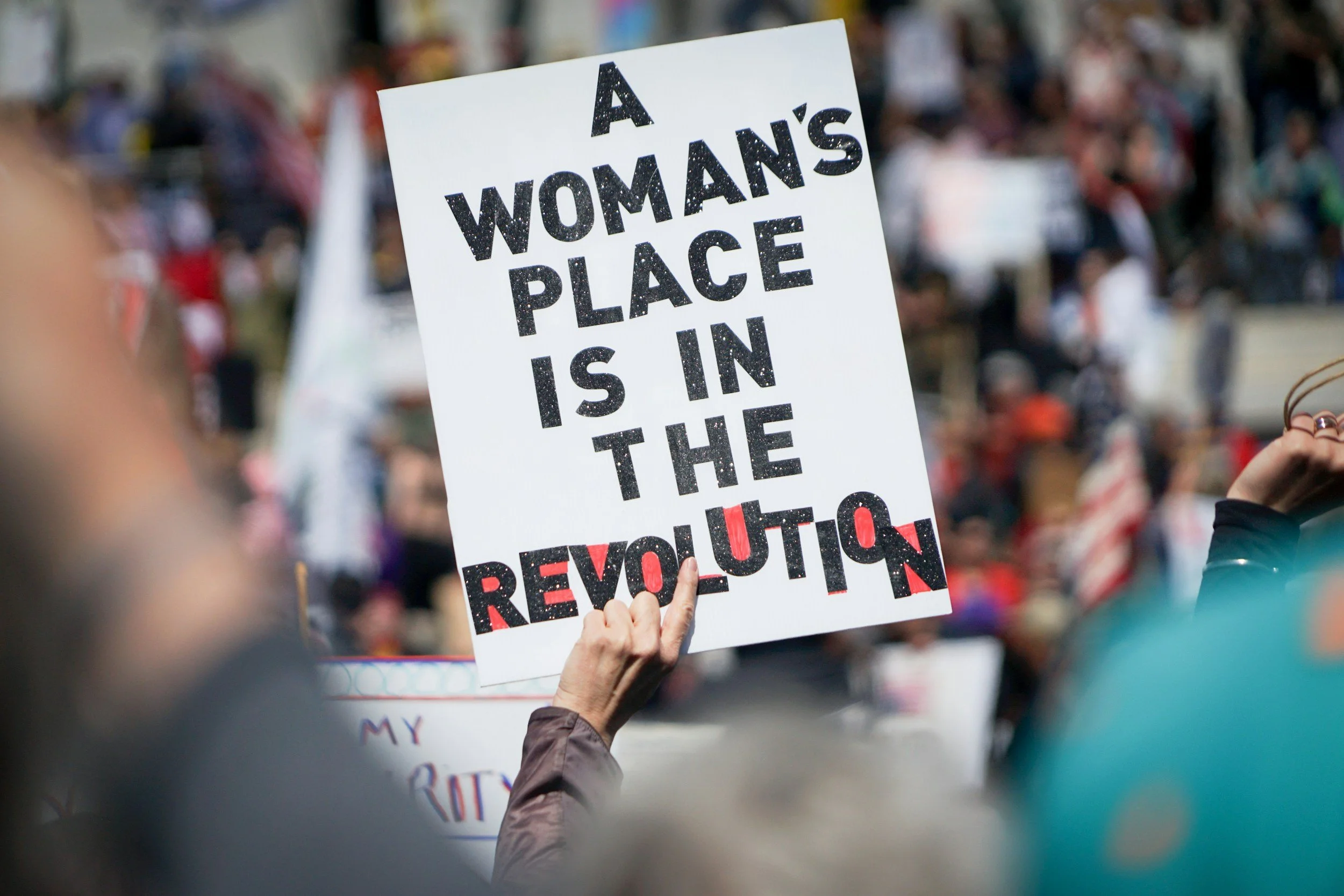
Why Women Need Economic Power, Not Just Failed Promises of Legal Rights
The United Nations’ theme for International Women's Day 2026 is "Rights. Justice. Action. For ALL Women and Girls." According to UN Women's latest data, women globally hold just 64% of the legal rights of men. At the current pace of legislative reform, it will take 286 years to close those legal protection gaps.
Two centuries and eight decades is not a timeline for justice; it is an admission of systemic failure. While the UN correctly identifies the crisis, rising impunity, the rollback of rights, deeply rooted discrimination, relying on the slow gears of bureaucratic reform is fundamentally inadequate. Women do not have centuries to wait.
The Mutualist Party recognizes the severe limitations of this approach. While we don't dismiss legal reform outright, waiting for perfect laws is a luxury women cannot afford while economic violence accelerates daily. Economic self-organization offers a direct, immediate route to justice. We have to build parallel systems of power that do not ask for permission to exist.

Holi and the Colors of Solidarity: Cross-Cultural Mutual Aid in the Big Data Age
Today, March 4, 2026, millions will celebrate Holi, the Hindu festival of colors. In streets across India and diaspora communities worldwide, people will hurl vibrant powders into the air - red for love, blue for Krishna, yellow for turmeric's healing, green for spring's renewal. For a few hours, the colored dust erases distinctions of caste, class, and creed. Everyone emerges coated in the same rainbow hues, equal beneath the chromatic cloud.
This ancient ritual of barrier-breaking offers more than Instagram aesthetics. It provides a blueprint for economic solidarity in an age of algorithmic extraction. The colors of Holi don't just cover our differences; they reveal what becomes possible when communities own the means of celebration - and by extension, the means of production.

A Broken Harp in Minab and the Algorithmic Murder of Spring
There is a specific kind of silence that follows a falling bomb. It is not the absence of sound, but the violent suffocation of it. Before the dust settles, before the azhir-e ghermez (red sirens) begin their mechanical wailing, there is a vacuum where a world used to be.
Bring yourself to the Shajareh Tayyebeh girls' elementary school in Minab, just moments before the ceiling collapsed. Feel the coastal heat of Hormozgan province waiting outside the windows. Smell the chalk dust and the pressed cotton of school uniforms. Listen to the murmur of more than a hundred young voices, 108 of them, at least, stumbling through multiplication tables, or perhaps reciting the ancient, rhythmic cadences of Farsi poetry. They were learning the words of their ancestors, words that for centuries have spoken of the bagh (garden) and the bahar (spring).
And then, an algorithm made a decision.