The World as It Is, The World as It Could Be
Every week, the headlines deliver another crisis, another injustice, another system failing the people it was meant to serve. But beneath the noise lies a pattern - and an opportunity.
This section cuts through the cycle of reaction to examine current events through a Modern Mutualist lens: How did we get here? Who holds power, and who bears the risk? Where do markets serve communities, and where do they extract from them?
We don’t stop at critique. Each reflection maps a path forward rooted in mutual aid, cooperative ownership, and the radical ideas that freedom and solidarity aren’t opposites - they’re prerequisites.
The analysis runs deep. The vision runs deeper.
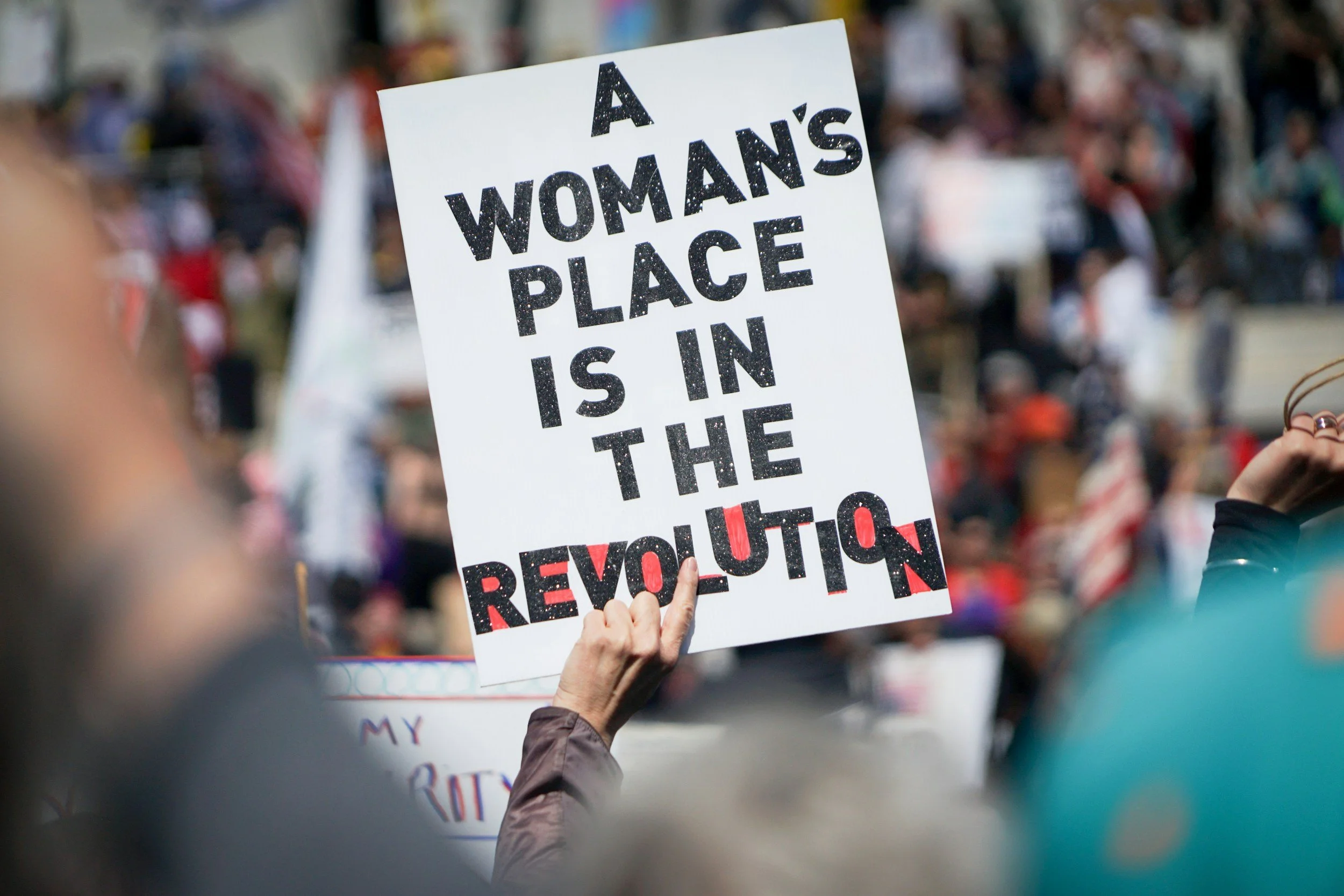
Why Women Need Economic Power, Not Just Failed Promises of Legal Rights
The United Nations’ theme for International Women's Day 2026 is "Rights. Justice. Action. For ALL Women and Girls." According to UN Women's latest data, women globally hold just 64% of the legal rights of men. At the current pace of legislative reform, it will take 286 years to close those legal protection gaps.
Two centuries and eight decades is not a timeline for justice; it is an admission of systemic failure. While the UN correctly identifies the crisis, rising impunity, the rollback of rights, deeply rooted discrimination, relying on the slow gears of bureaucratic reform is fundamentally inadequate. Women do not have centuries to wait.
The Mutualist Party recognizes the severe limitations of this approach. While we don't dismiss legal reform outright, waiting for perfect laws is a luxury women cannot afford while economic violence accelerates daily. Economic self-organization offers a direct, immediate route to justice. We have to build parallel systems of power that do not ask for permission to exist.